As I was working on my papers for this week’s Webinar about conflict transactions and Powers of Attorney, I was thinking about the timing of most of the disputes in the cases I was reading. Most of the family disputes seem to crop up around the time that the appointor (the person giving the Power to the Attorney) is in need of more significant medical care. I think there are a few reasons that this is the flash point for these disputes -
Loss of capacity is an emotional time - for the person losing capacity and the family
As a society we make presumptions about the adult providing care, they are living there for free, they must be keeping the person at home for their own selfish reasons etc.
The medical system is very judgmental of people who want to remain at home, assuming that it means that the person doesn’t appreciate the severity of the issue, with little allowance for a different preference
Aging and loss of capacity are expensive issues in Australia - families aren’t really prepared for this because they are used to thinking “medical care is free in Australia”
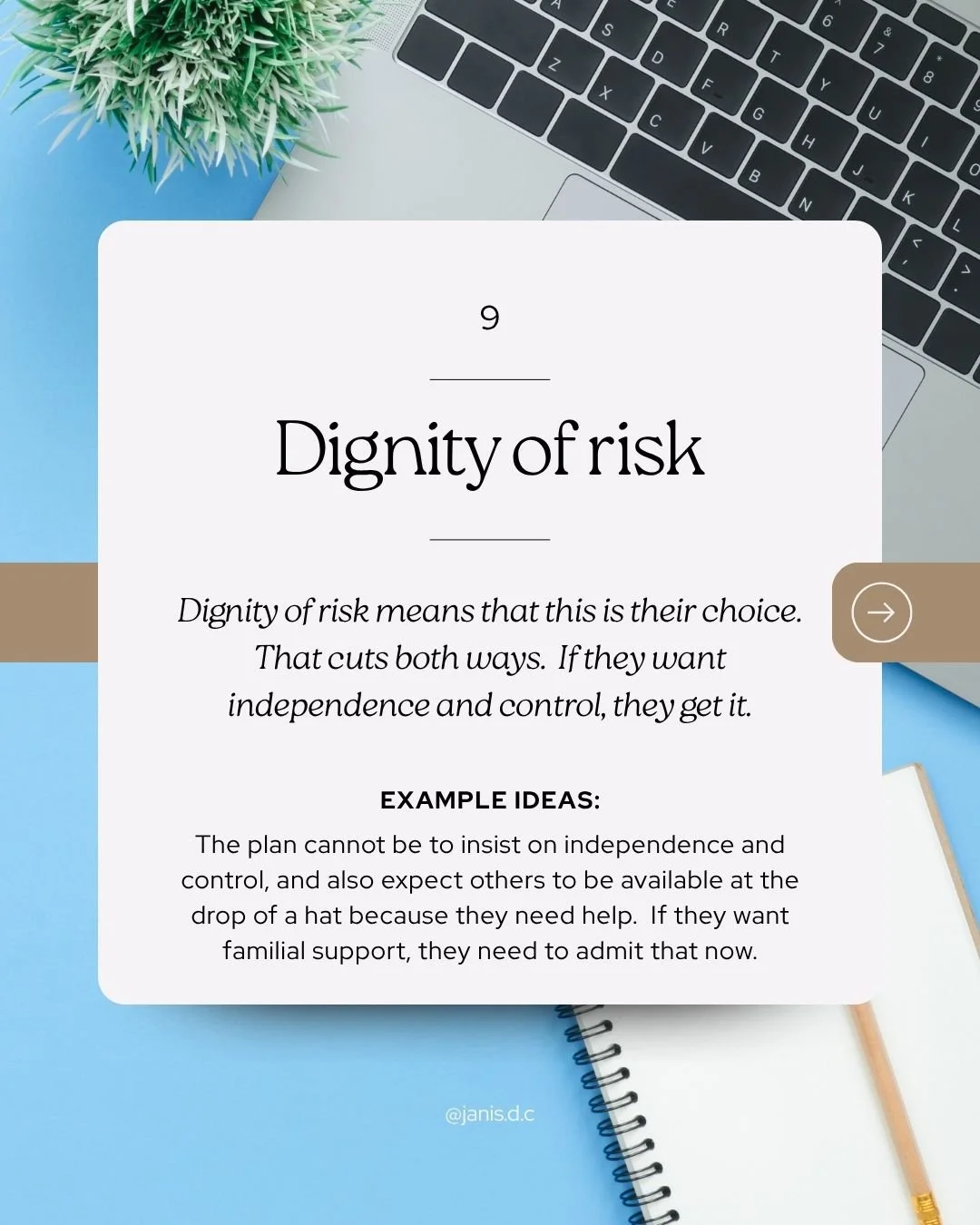
Dignity of risk
As part of the recent changes to the legislation and assessment for aged care, those accessing aged care were also supposed to see a change in relation to the risk that they were allowed to take. This concept of dignity of risk is a phrase that is known to those who work in aged care spaces, but not really discussed by the lawyers who help clients to prepare the documents that will impact their choices. I think we should start discussing it as a profession.
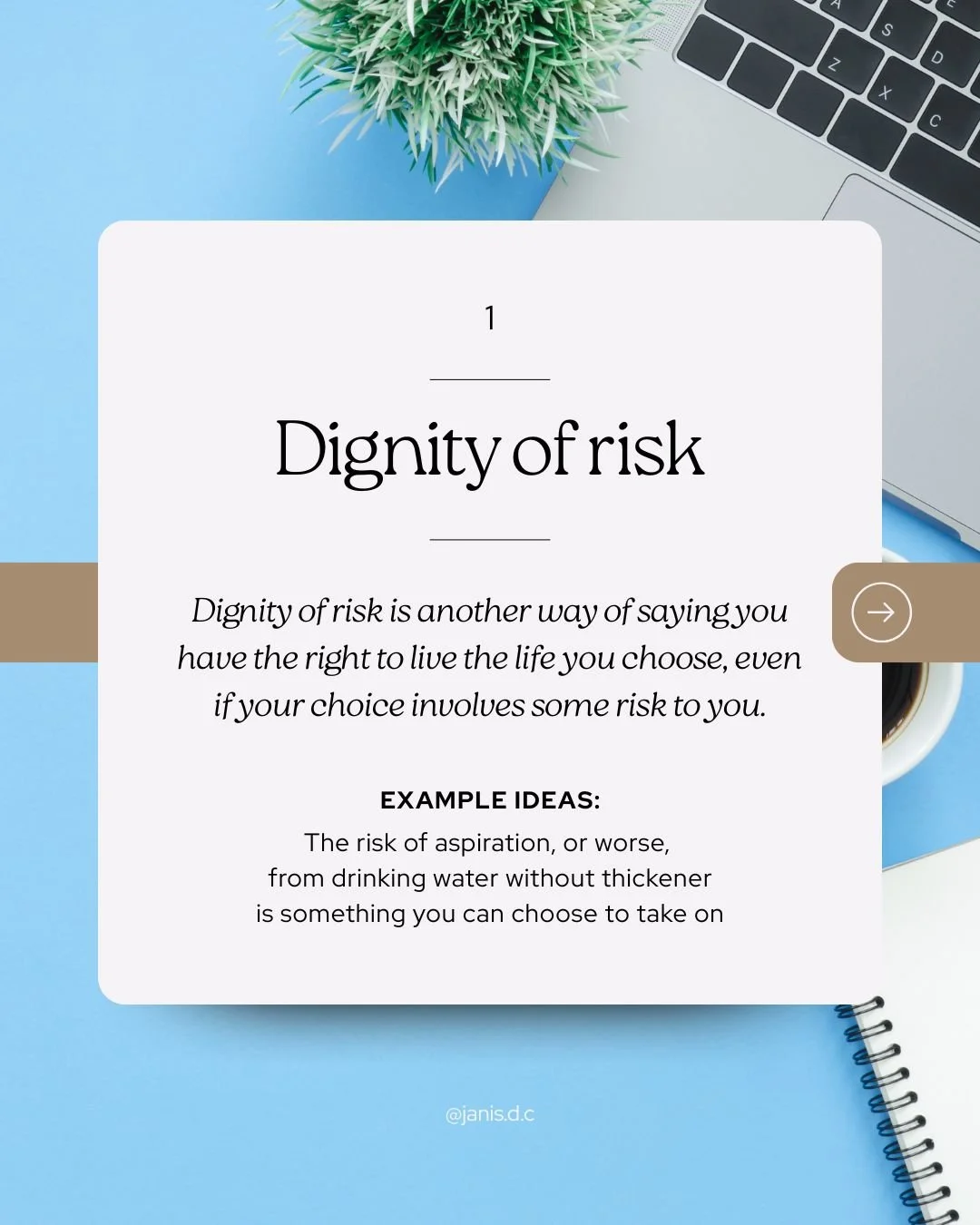
Dignity of risk means, we give the older person the dignity of choosing how much risk they are willing to take on. As an example, it has always bothered me that we reach a point where we tell a person that they have ‘no choice’ but to move into aged care. Why do they have no choice? We give them no choice because we say that the risk of remaining at home without proper support is too high. Assuming they have any capacity at all, is that not their choice? They are not under arrest, they are not a risk to a third party, they are only a risk to themselves. Should this be their choice?
It can play out in smaller ways too, like forcing people in aged care to drink the thickened water due to the risk of aspiration. This has lead to people drinking water from vases, and having to have the tap handles removed from their room. Why can’t the older person choose this risk? Feeling like you are thirsty all of the time, even if the nurse assures them they are not thirsty, may not be something they are willing to live with.
Under the recent changes to the legislation this is all supposed to be changing. The older person is supposed to be able to have this dignity of risk. See for instance this handout.
Presumptions
As a society we make a number of assumptions as people age. As lawyers we know that the family member who is living with the person and providing around the clock care is treated as a grifter. How often do we hear someone complaining “they are living there rent free” when they themselves would not move in with that person to live there “rent free”. The work is not just thankless, it is criticised.
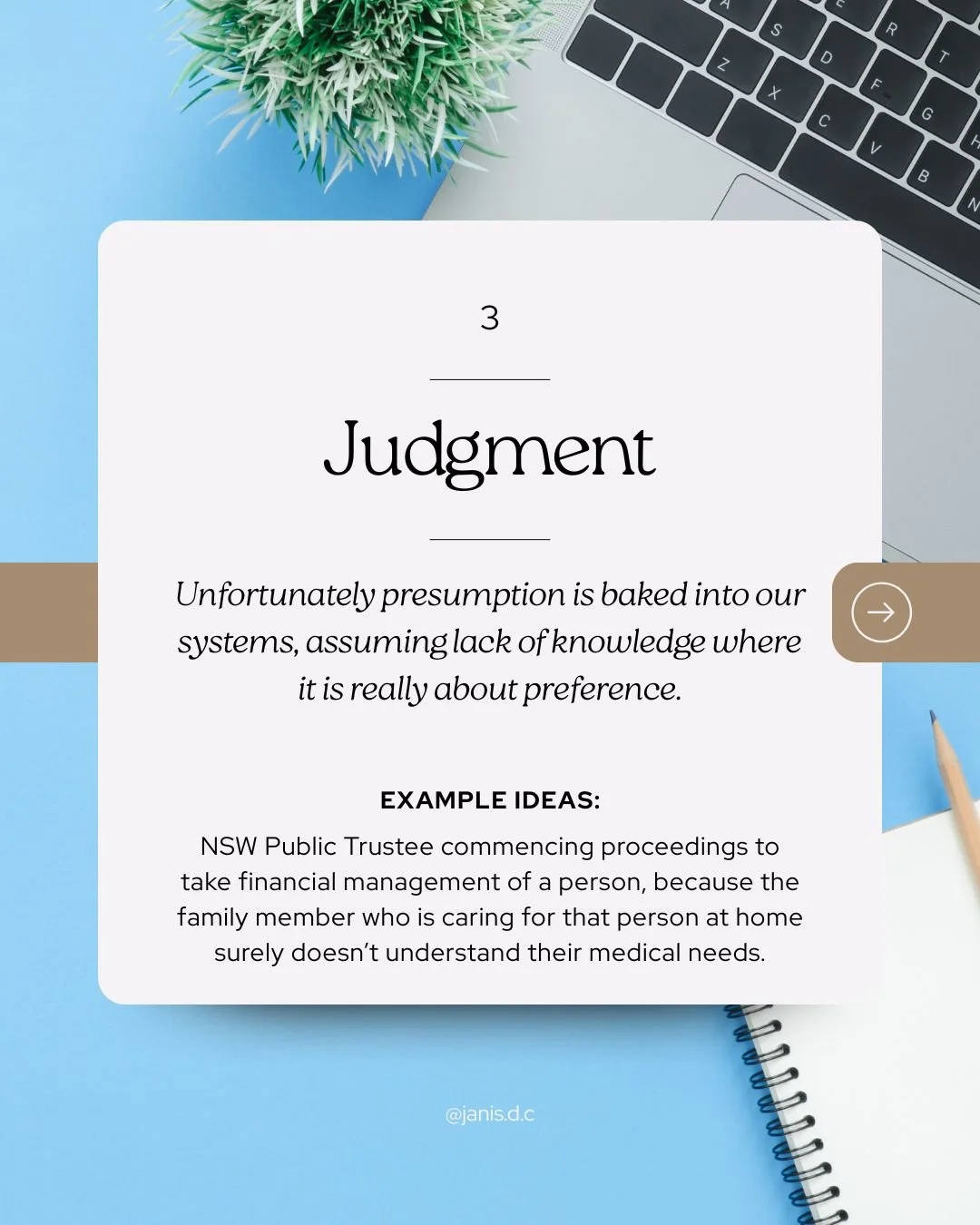
Unfortunately, this prejudice repeats itself in our legal systems. So often the dispute happens around the time that the person in need of care either needs more care in the home, or needs to move into aged care. On reading the recent cases the Public Trustee frequently became involved because -
the family member who wanted the older person to remain at home “clearly didn’t understand their needs”; or
the family member who was living with them was not paying rent, and therefore was in a situation of conflict.
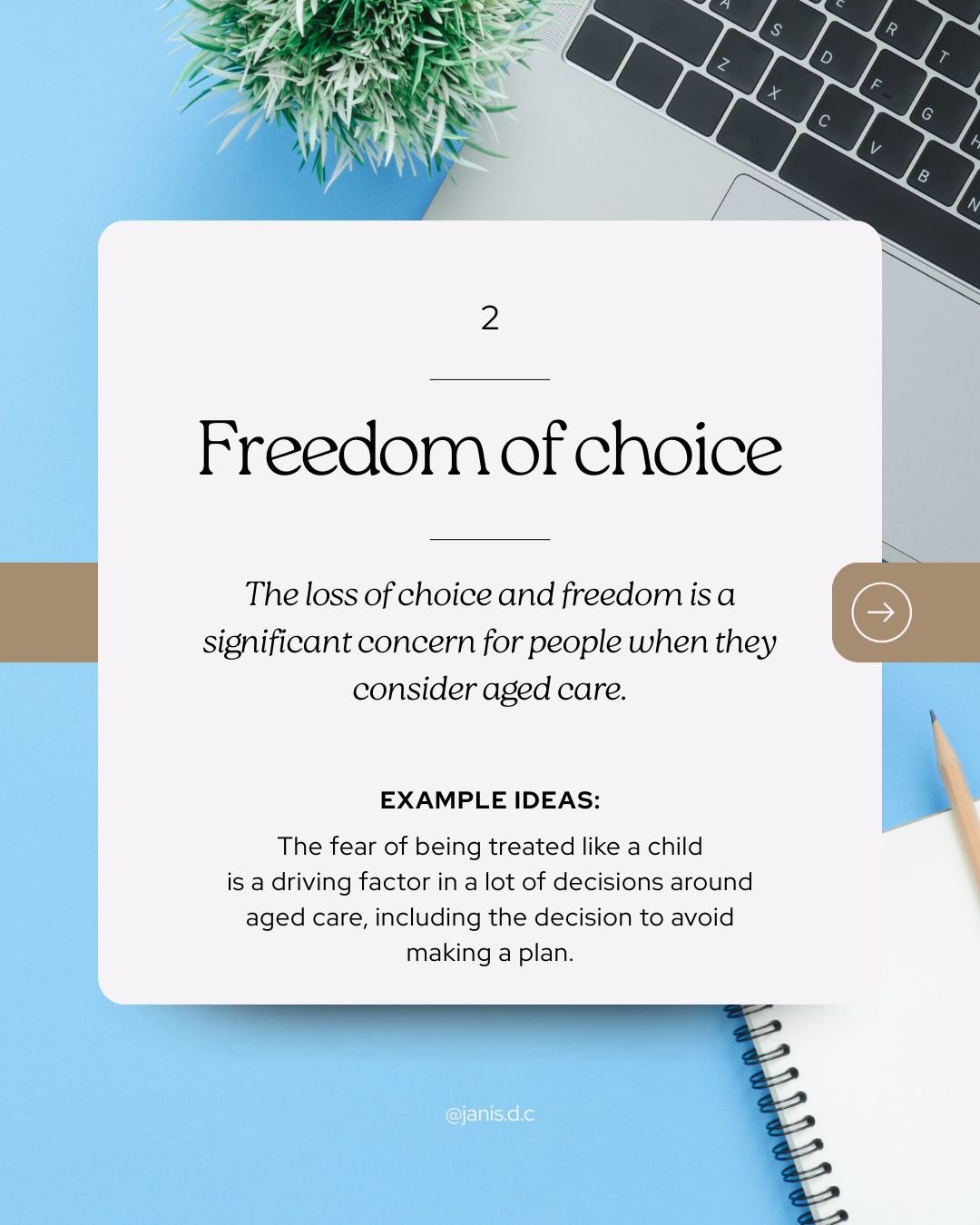
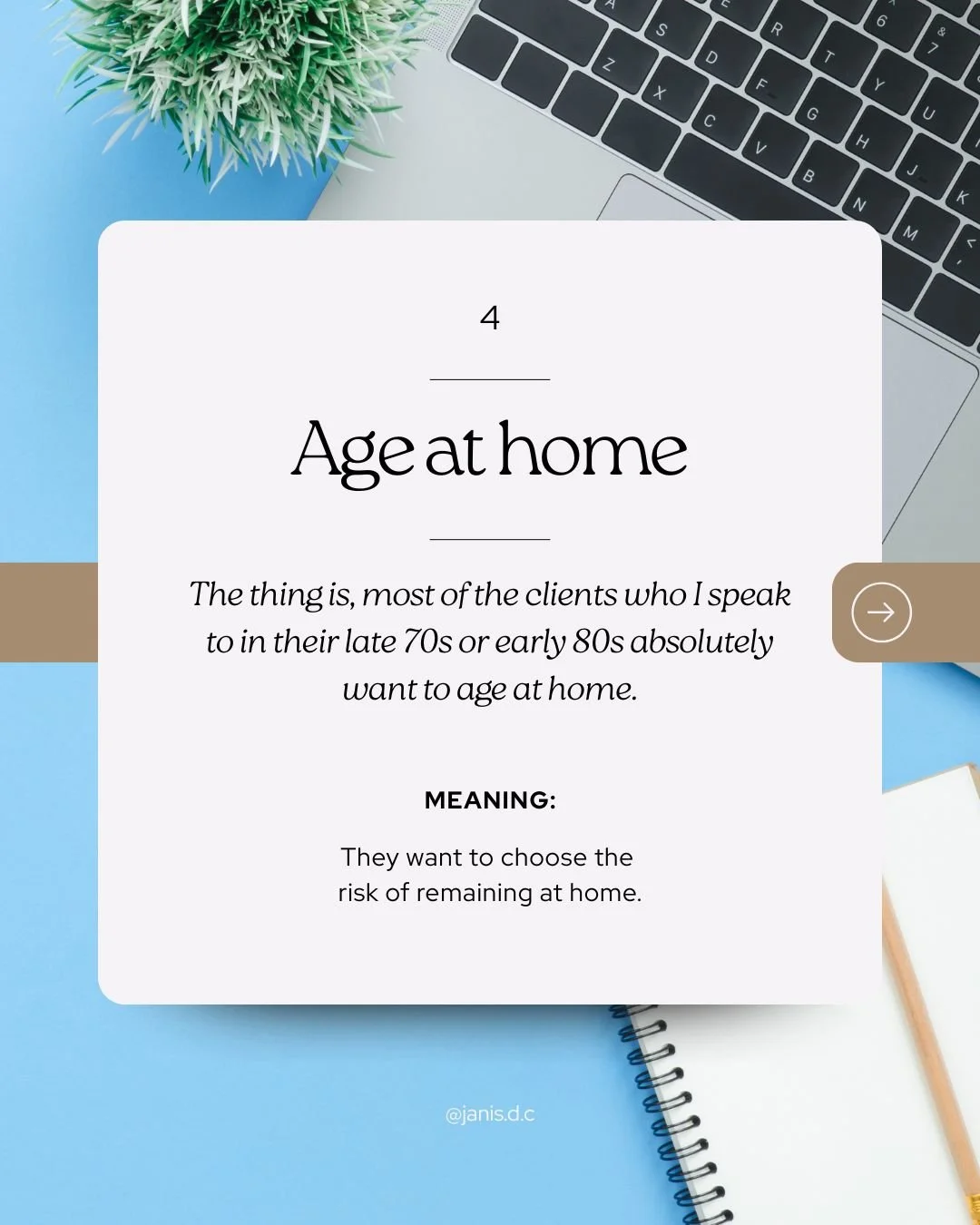
This is concerning because most older people who I speak with, in their 70s and 80s, want to remain at home regardless of the risk, and would rather go bankrupt than move into aged care. I am sure some of these family members are exactly as bad as the Department says, but I am also convinced that many of them are doing exactly what the person in need of care wants. The insistence on protecting their financial position at the expense of their freedom of choice is not what most older people who I speak with want.
Additionally as lawyers we know that the risk of the Public Trustee becoming involved is an expensive one. If you are in doubt, check out their fees here. The department has graciously agreed to cap their fees for financial management at $3,122 for establishment, and then $20,816 per year (paid monthly). The fact that this is roughly $460 a week, which is more than many people could hope to get for renting out only part of their older style home, doesn’t seem to have any impact on the argument that the carer who is living there isn’t paying rent. The Public Trustee moves into financial management and charges this fee which is apparently a better outcome than the carer living in the house “rent free”.
Medical care is free in Australia
Medical care is free in Australia, except when it isn’t. As lawyers who work with people who are planning for their retirement we know this. We also know that the time when decisions are being made to fund that care is the time when the arguments start. Most of the time the argument is because some people, including government departments, are pushing for the older person to move into full time care which is definitely the most expensive option. The person who is advocating for anything else is accused of doing so to save money.
As lawyers we know that medical care is not free, we know that people make presumptions, and we know that while dignity of risk exists in theory, in practice it is swept away with statements that the person couldn’t possibly make that decision if they understood all of the information. The difficulty is that most clients who are coming to see us don’t want to talk about any of this. They are aware that navigating aged care is both expensive and tricky so they are avoiding thinking it. We are not going to get them to engage meaningfully with the topic if we scare them with horror stories. Some clients might need a dose of reality, most are aware of the risk and need a way forward that feels certain, but they are overwhelmed by the amount of information and the array of choices.
Write it down
While it seems to be the most obvious thing, it is also the hardest thing to get our clients to do. We know that the clients need to write this stuff down, now, while no one doubts their capacity. But how do we get them to engage with it meaningfully?
Loss of capacity is an emotional time
As lawyers we know that loss of capacity is an emotional time, and emotional people don’t make great decisions. We also know that loss of capacity, in this context, does not mean total and complete loss of capacity. We know that this all starts when the older person makes decisions that seem unusual for them, when their various minor ailments are adding up to exhaustion and a change in behaviour.
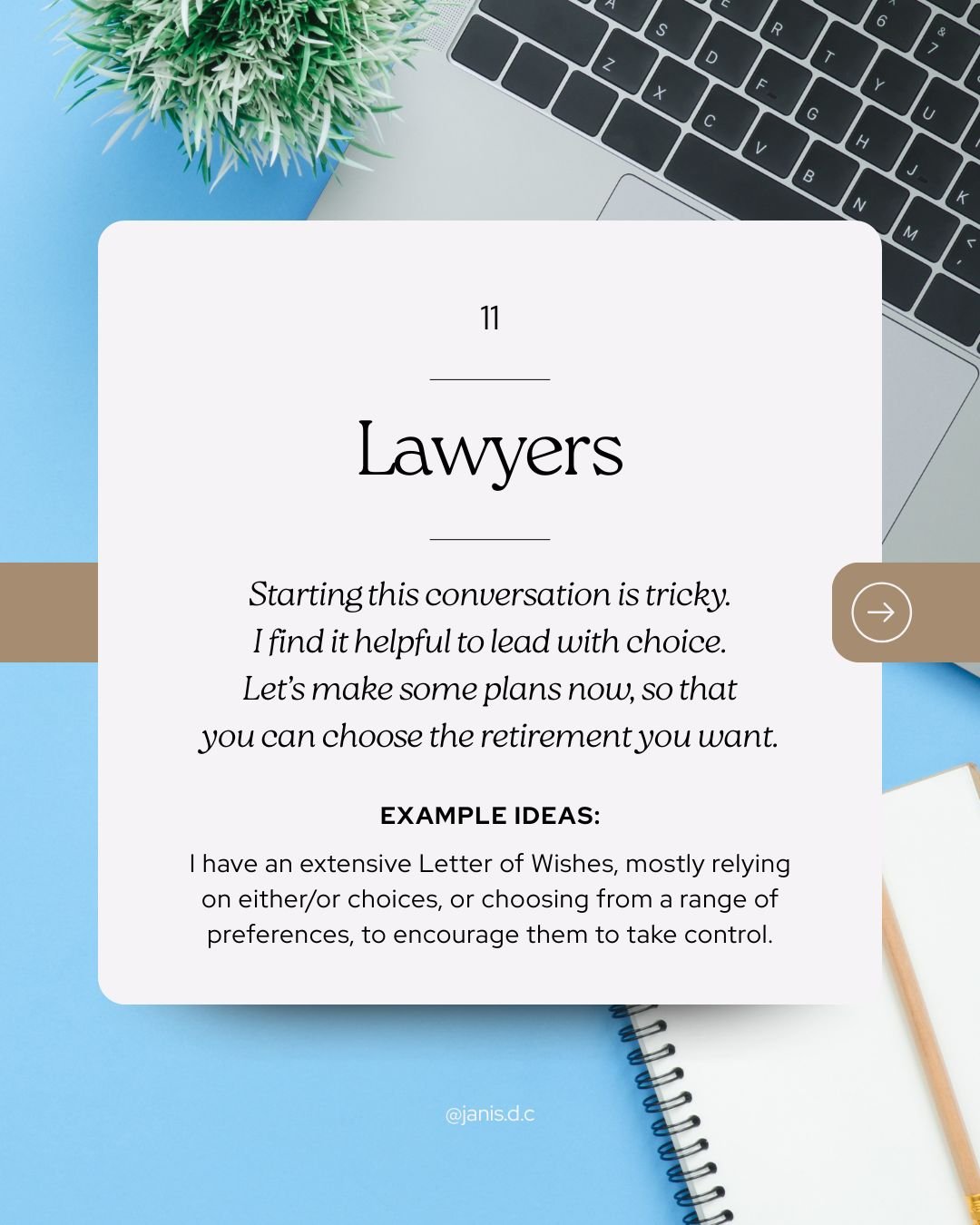
The issue is that most clients insist that their families won’t fight, won’t be emotional, and will be completely logical and level headed contributors to the discussion. They insist that they themselves will not be emotional about their own diminished abilities, and will also be level headed and completely logical. This is probably not an argument that you can win in the time it takes to prepare the client’s Estate Plan. What you might have some success with is talking to the clients about choice, and planning ahead for the retirement that they choose.
Without scaring the client, you can probably talk to the client about how as people age they are accused of making decisions that are out of character, or that are not well informed. In order to head that off they could make some choices now, write down their preferences now, starting with their thoughts around this concept of dignity of risk.
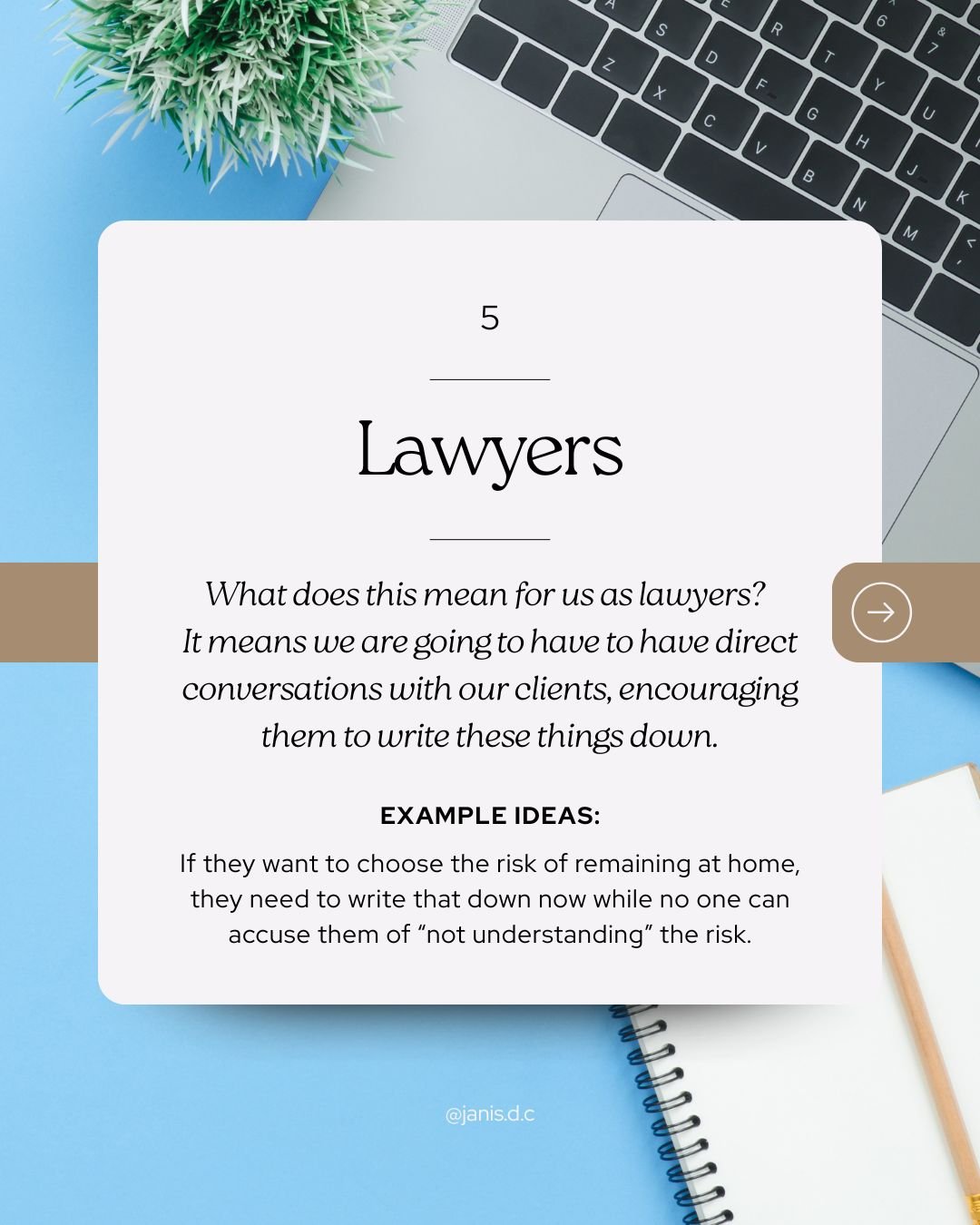
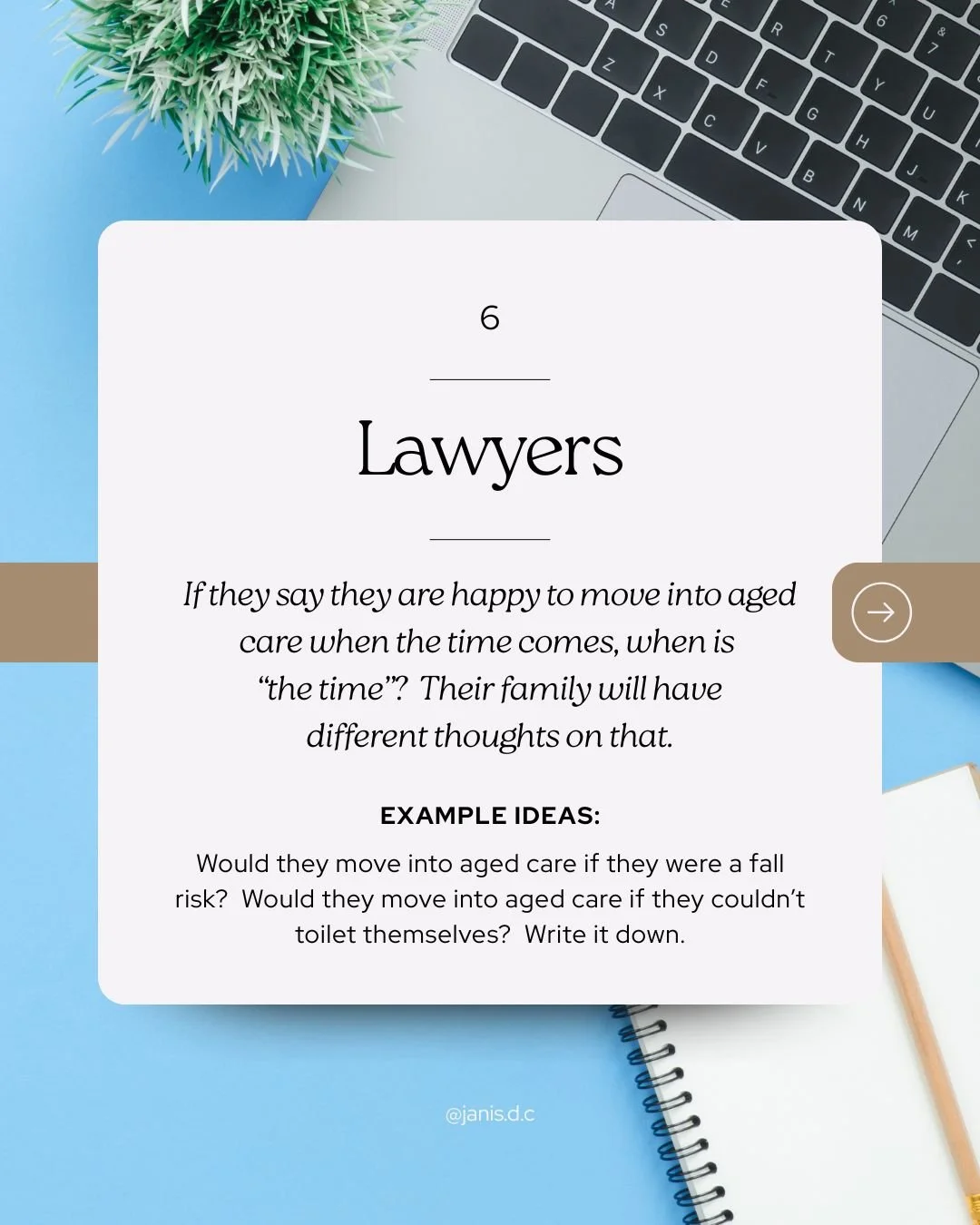
If they want to age at home, well they need to write that down, and they need to write down the circumstances which would be acceptable for remaining at home, and what might trigger a move to aged care. If they write down their plan they cannot be accused of making the decision with diminished capacity, or without all of the information, because they have written down a complete plan.
Families and aged care
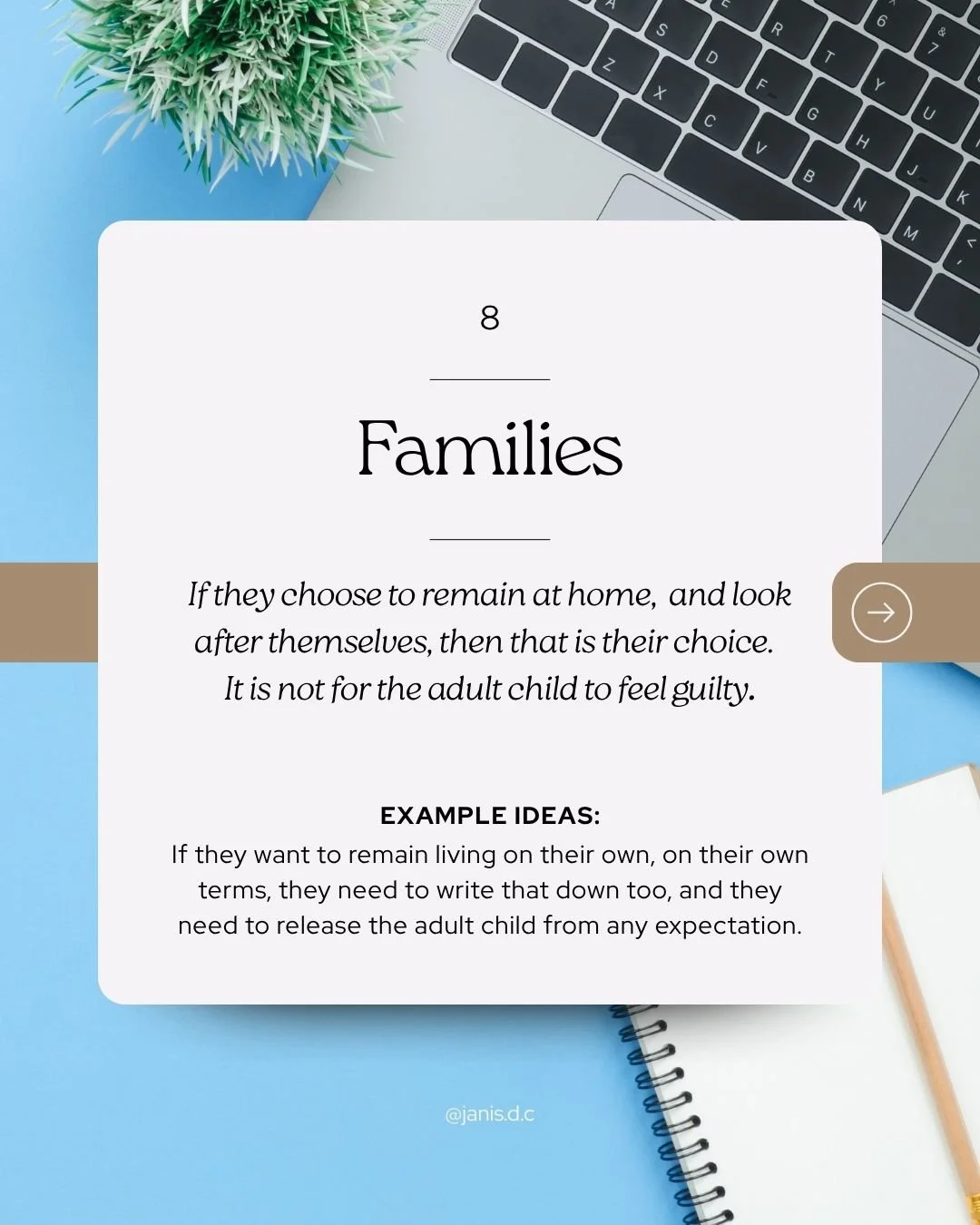
We know that what often happens, instead of planning, is a lot of guilt and poor communication. Most lawyers who I know, in fact I would go so far as saying all lawyers who I know want a great outcome for their client. A great outcome includes an honest conversation with their family, and also includes the client being honest with themselves.
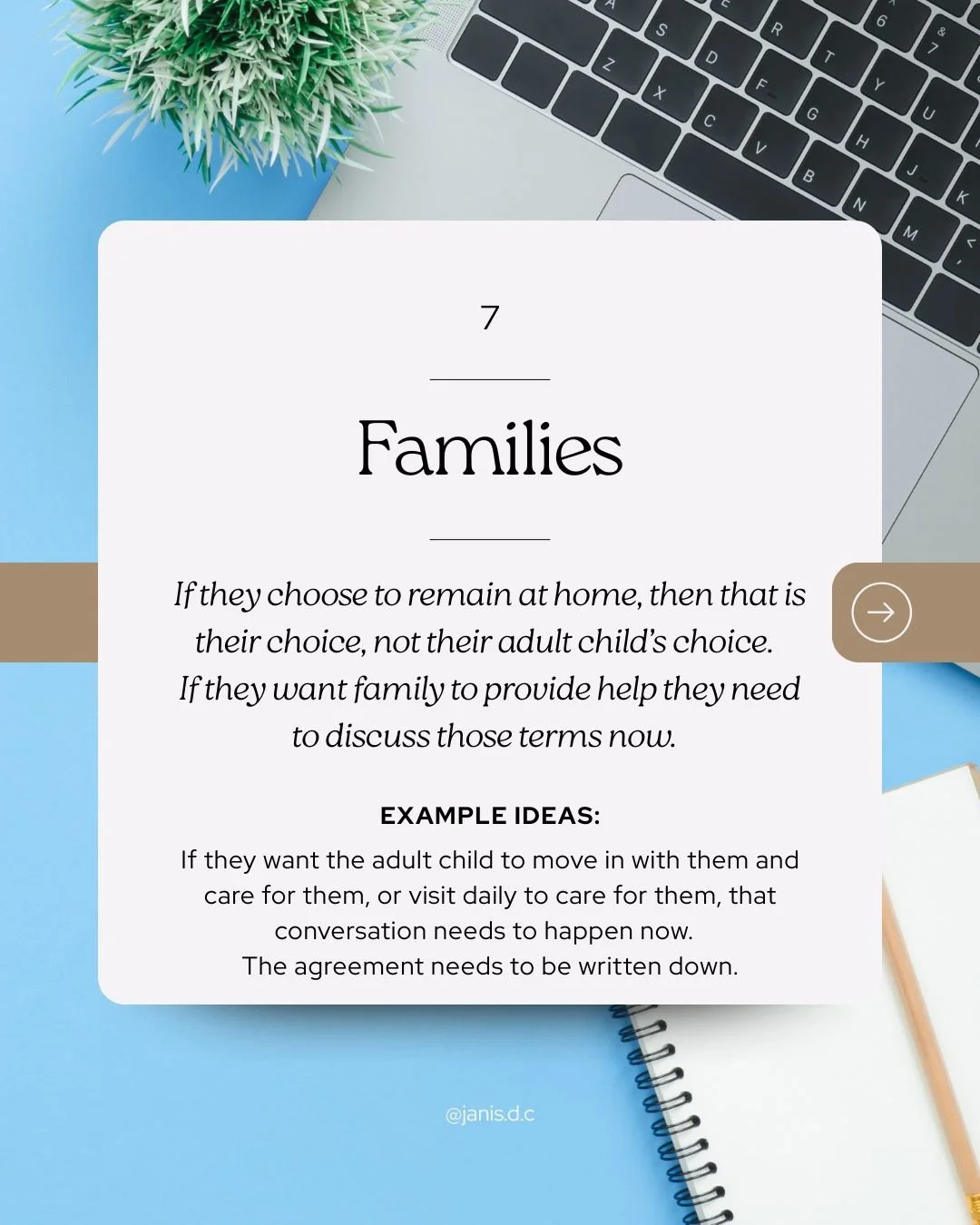
Is their plan to move into aged care at some point? Great, what is that point? Is their plan to age at home for as long as possible, great, they need to have a plan to make that happen. If the plan is, I don’t need any help, ever, for the rest of my life then this is exactly the sort of thing that a government department or a well meaning relative will latch onto to prove that the decision is not informed. No Tribunal or Court is going to defend this approach, whether or not the person should have the freedom to make that choice. It simply isn’t where we are as a society right now.
A plan that includes what help they would accept, and when, along with an honest statement about their position on their “dignity of risk” will be difficult to argue with. The help that they accept could be help at home, I am not saying they have to declare when they will move into aged care. I am saying that they need a plan that is not, I will look after myself, on my own.
Dignity of risk
A statement about “dignity of risk” in an Advance Care Directive will not feel odd to a GP, or a nurse or social worker in a hospital, as this should be something they are used to encountering. It may well head off arguments, and it gives the client an opportunity to feel more in control of the situation. If they feel like they are planning for their ideal outcomes, rather than simply avoiding a worst case scenario, the task will not feel as heavy.
The reality is that a family doing piecemeal things out of guilt is not a great outcome for your client, and is likely to be exactly the type of situation that invites interference from a social worker, Centrelink employee or hospital employee. We want to avoid all of this for our clients. A plan to make a plan is not going to work. A goal without a written plan is not going to work. Getting them to engage with dignity of risk also has the advantage that they can include this in their Advance Care Directive, and have it signed with their GP, creating an increased sense of certainty as they interact with the medical profession in a meaningful way rather than waiting until later to defend themselves against interference by the medical profession.

No one said it was easy
Being an Estate Planning lawyer or an Estates lawyer really is like being a dentist, no one wants to be there, and yet everyone should speak with you at some point. It isn’t easy to get clients to engage with this meaningfully, and some clients are harder than others.
If you think this client is dealing with your suggestions with a lot of “yes of course” but really, they are just making words to get to the stage where they sign the document and be done with it part, then this is probably one of the most difficult clients to get engaged with this topic. They came ready to choose an Attorney, sign a document, and nothing more. One way to approach this is to deal with it during the initial consultation. Ask them a couple of questions like -
What is the plan if you have partially lost capacity, but you have not totally lost capacity? If it is to remain at home, what help are you willing to accept, and from who?
What is the plan once you are a widow, or widower, and medical professionals tell you that you cannot live on your own? Will you move into care, or access help at home? What would help at home look like?
It is difficult to create a prescriptive short list, because each of the answers above will result in further follow on questions. For instance, if they say they will not accept paid or government help in their home then the follow up question is, who will you accept help from? What do you mean friends and family, who do you mean? What type of help would you accept from them, for instance, would you let one of them speak with your medical professionals on your behalf so that they can keep on top of all of your appointments and ensure that you have transport (either with them or someone else) to and from those appointments. If not, then how are you planning to manage all of your appointments and dates once you are not able to drive?
Even if you only get a small amount of information out of the client you could dictate a quick, simple, non binding document for them to sign when you send them the first draft of their Power of Attorney. Getting them to do something will have two benefits, firstly some written instructions are better than nothing, and secondly the process of making and signing off on some decisions might allow them to feel more in control of the process and encourage them to engage with the process further.

Your Will is not your loss leader
I have maintained for many years now that your Will is not your loss leader, your Power of Attorney is. At the end of the day choosing the Executors and Beneficiaries, and choosing between a simple Will and a DTT is not as complicated as getting real, meaningful instructions out of your client to protect them as they age. We have the risk of elder abuse, and this issue of what I would call systems abuse, on top of just wanting them to think properly about it.
I do have a free Webinar where I talk about Loss Leaders in your business and what you should do with them, which you can sign up for below. In order to receive the training you will need to complete the survey, I am providing the training for free afterall. If you want to find out more about that Webinar then click on the “More Info” button.
Webinar
In this webinar on Powers of Attorney and conflict transactions we specifically looked at the issues raised in this blog post. What happens when family members try to make transactions where there is a conflict between the Attorney, usually a spouse or an adult child living with the person in need of care, and the person who has limited capacity? First and foremost we reviewed recent cases on this topic. Then we looked at whether you can draft your way around this, with a clause in the Power of Attorney.
While this Webinar has already happened you can still get the recording, and the documents including the case summaries to assist you to understand the current approach to this decision by the Courts and Tribunals, so that you can explain this all to your clients. If you want to sign up for this Webinar it is $100 per person, and you will get immediate access to the video and the documents. You can also click on the other button below to find out more.