The problem
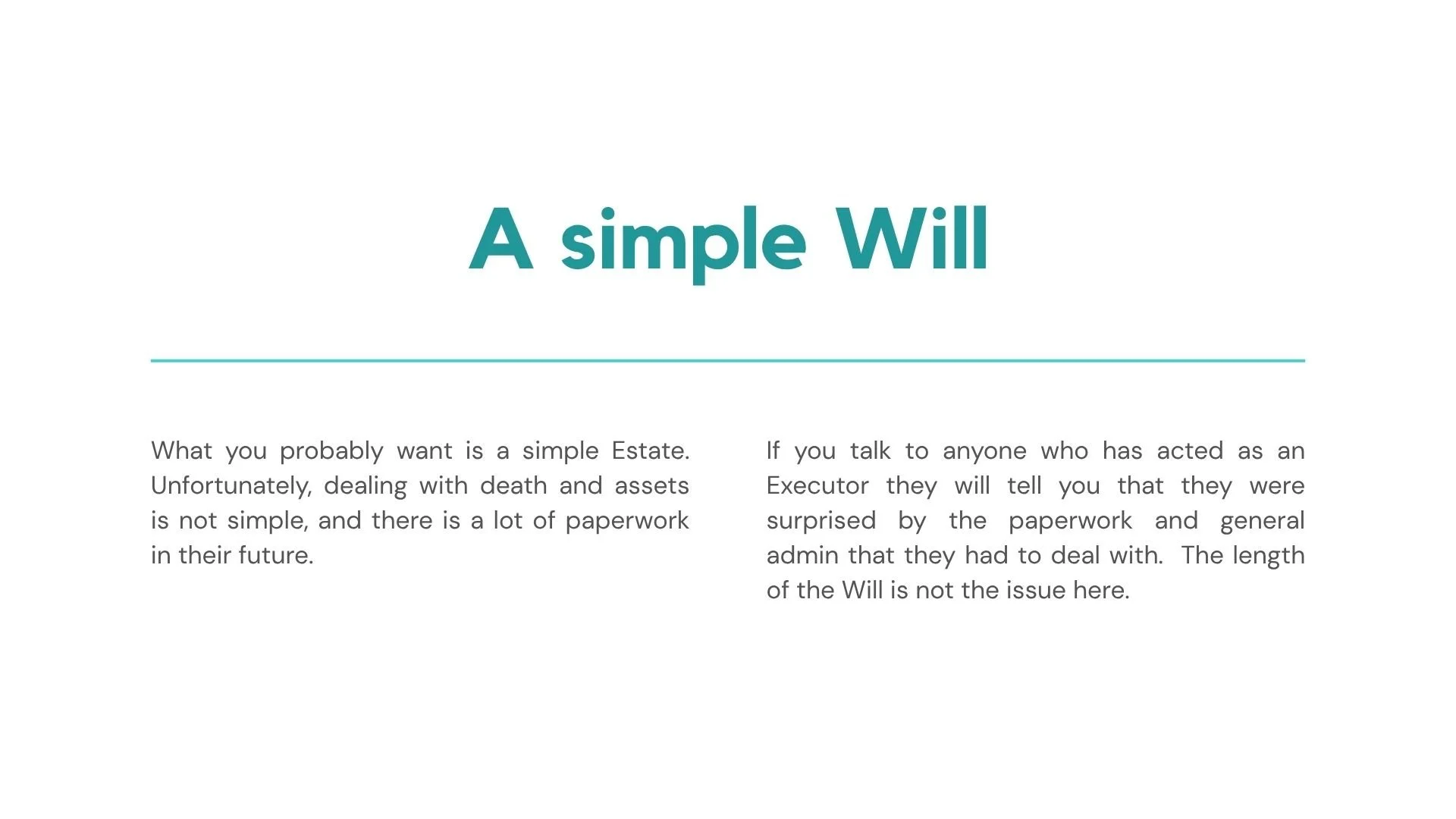
As lawyers we know the value of planning for death, but our clients don’t want to think about this for more than twenty minutes and so they will try to make it simple, too simple. Your client has not come ready to talk about death, not really. They think they have, but they want a peripheral or shallow discussion, some documents to sign, and to give you the full names of their beneficiaries. This is part of why they ask for a simple Will, it is quick and easy and they think they will get the protection for their family of a proper Estate Plan if they can just convince the lawyer not to make it too complicated.
How do you get a client to seriously consider the decisions that their family need them to make, instead of allowing the clients to tell themselves this is a simple problem with a quick solution?
We don’t get this client to think deeply about death by giving them horror stories, or a lecture. We also don’t get this client to think properly about incapacity by explaining why DIY Wills are so rubbish. We get this client to make these decisions by empowering them. Rather than say trust me it is complicated, we talk to them about ways that they can help their beneficiaries.
Yes, the problem is more complicated than our society wants to admit, but also I have a solution for you. Unfortunately death involves a lot of paperwork, and the answer is not for you to try to create the shortest possible Will.
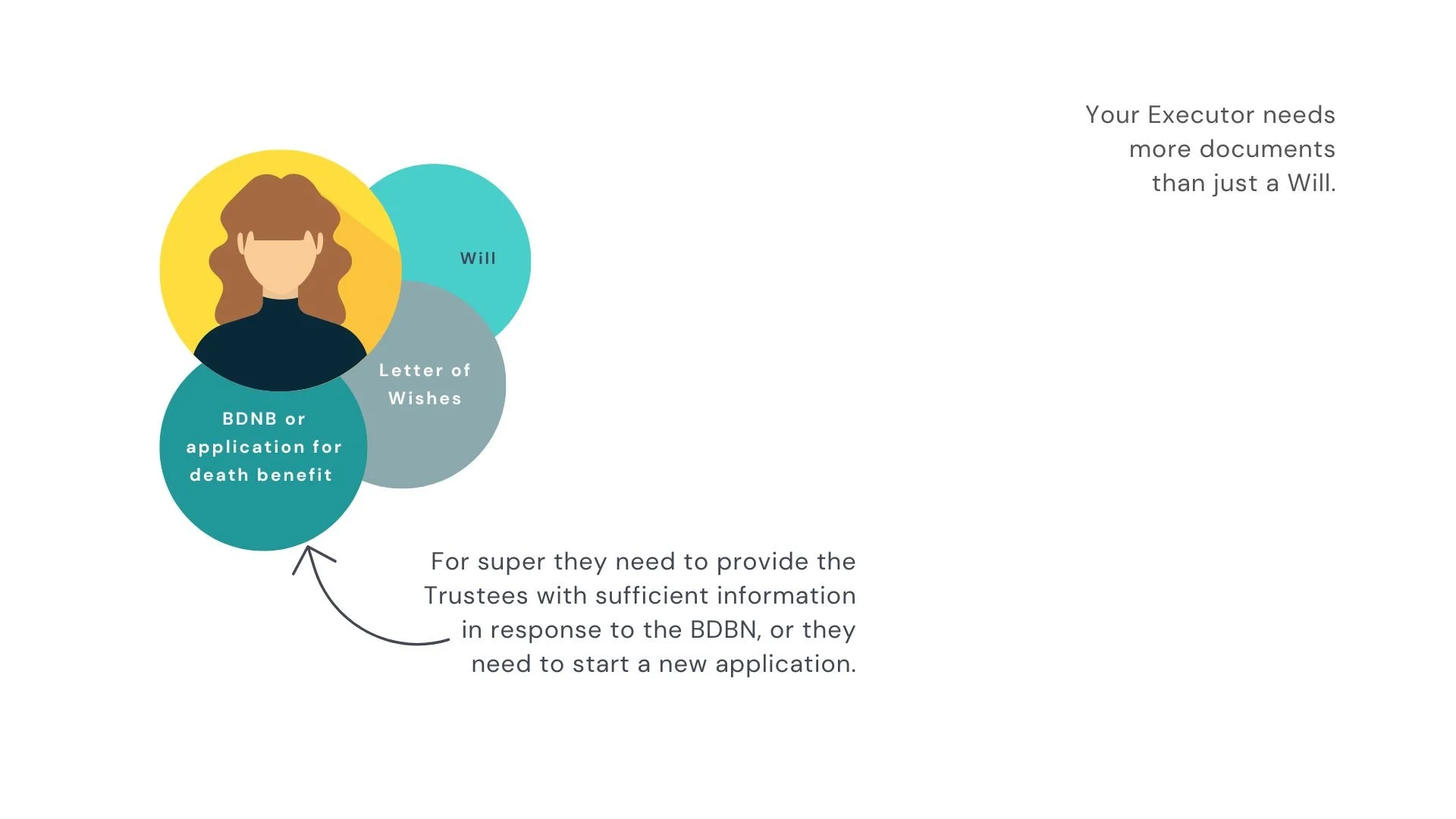
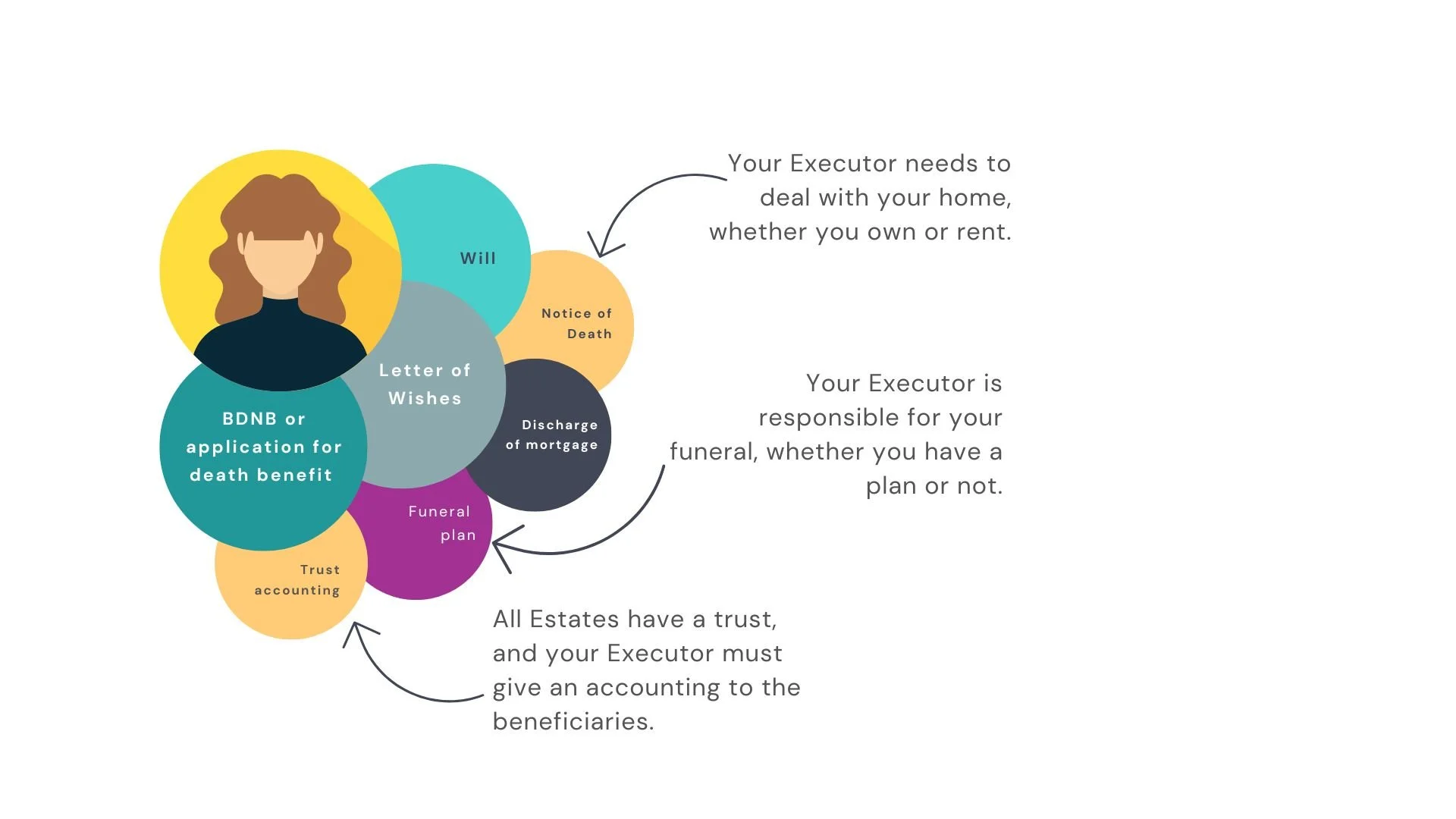
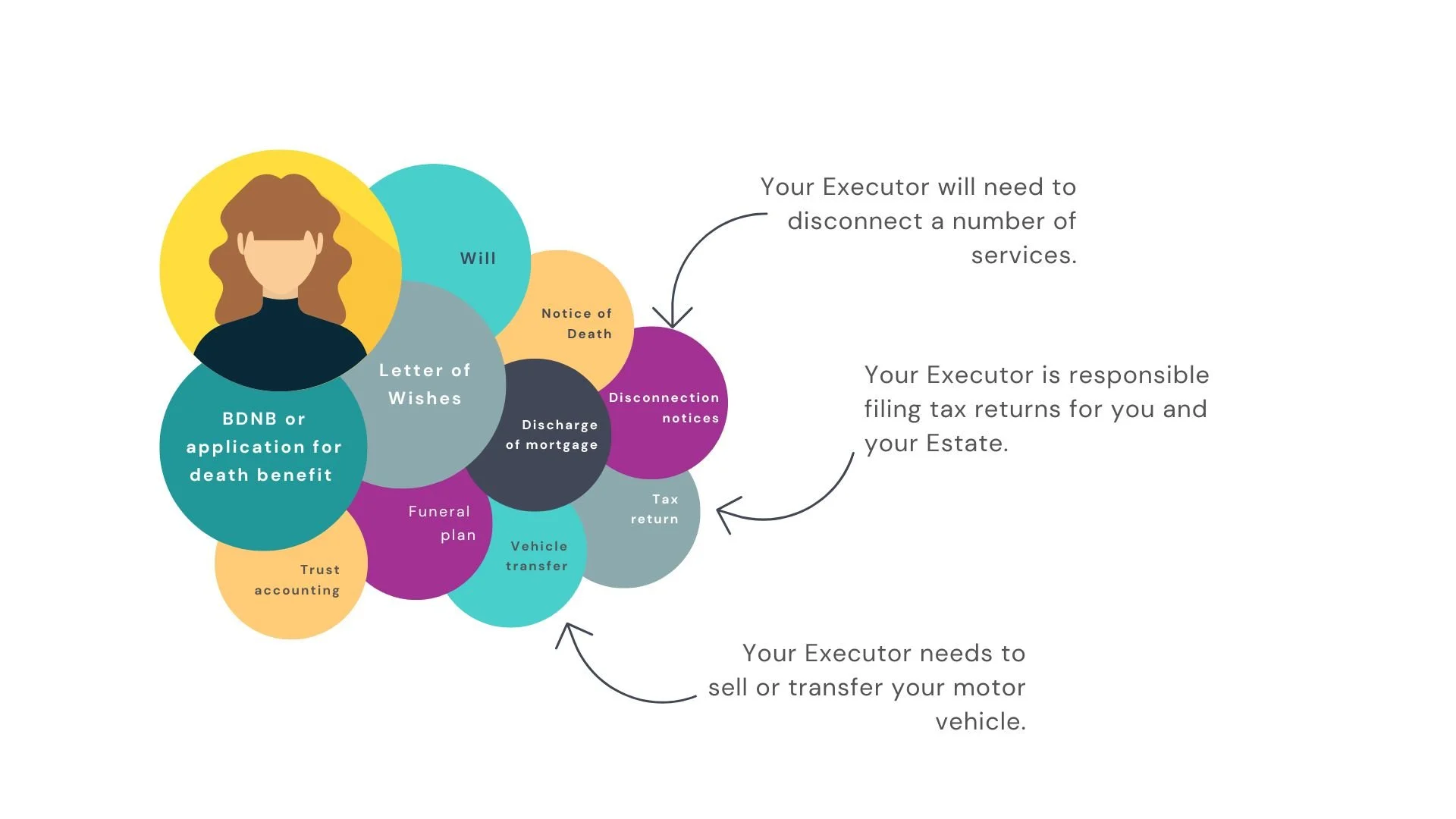
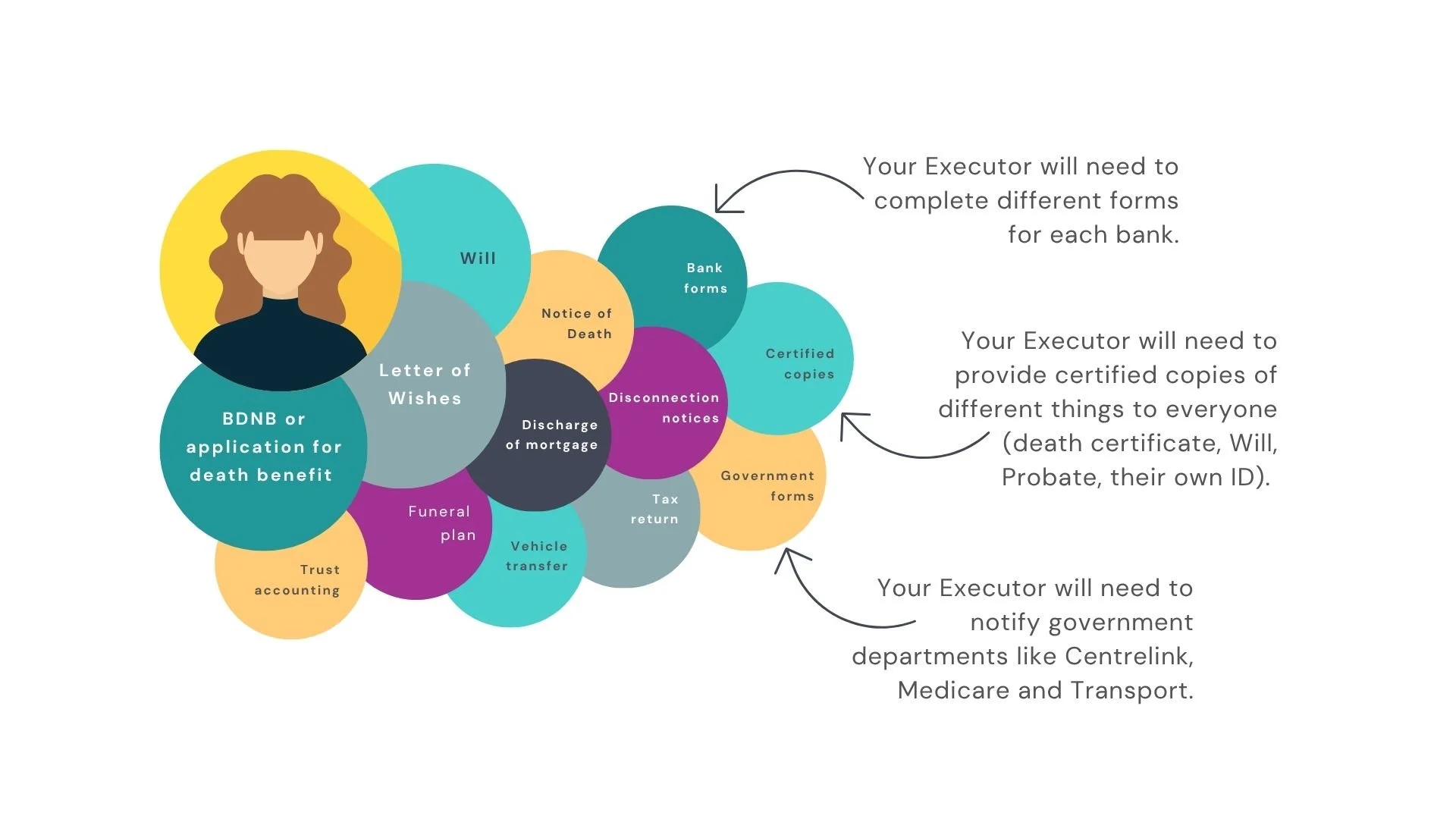
In this training I go through how to talk to clients who have come to their initial consultation convinced that they just need a simple will. You might use this to explain to them that they need a discretionary testamentary trust, or you might use it to explain why a two page document is not enough, but what you have to address is the presumption that death is simple, and that assets are simple.
THE recording and papers
In this training we talk about a number of things including -
why is this not “just death” and what can we do about that?
how do we get the client to abandon this “simple Will” idea and seriously consider a discretionary testamentary trust or a more comprehensive Estate Plan?
why a shorter document isn’t what they want, they want their beneficiaries to have more information and more choices
I work through one set of slides that try to disavow the clients of these presumptions, and then another set of slides explaining why a DTT may be the answer. You will get a copy of each of these slides in PowerPoint and Canva.
This CPD costs $90 and you can get the recording and the past papers using the button below. In keeping with previous CPDs, you will get a $50 discount code if you email me (before purchasing the training) a requisition from the Supreme Court in relation to an Estate matter and provide enough information for the requisition to make sense. Email it to janis@janisconsults.com and then I will send you the discount code and possibly some follow up questions to get some context for the requisition.
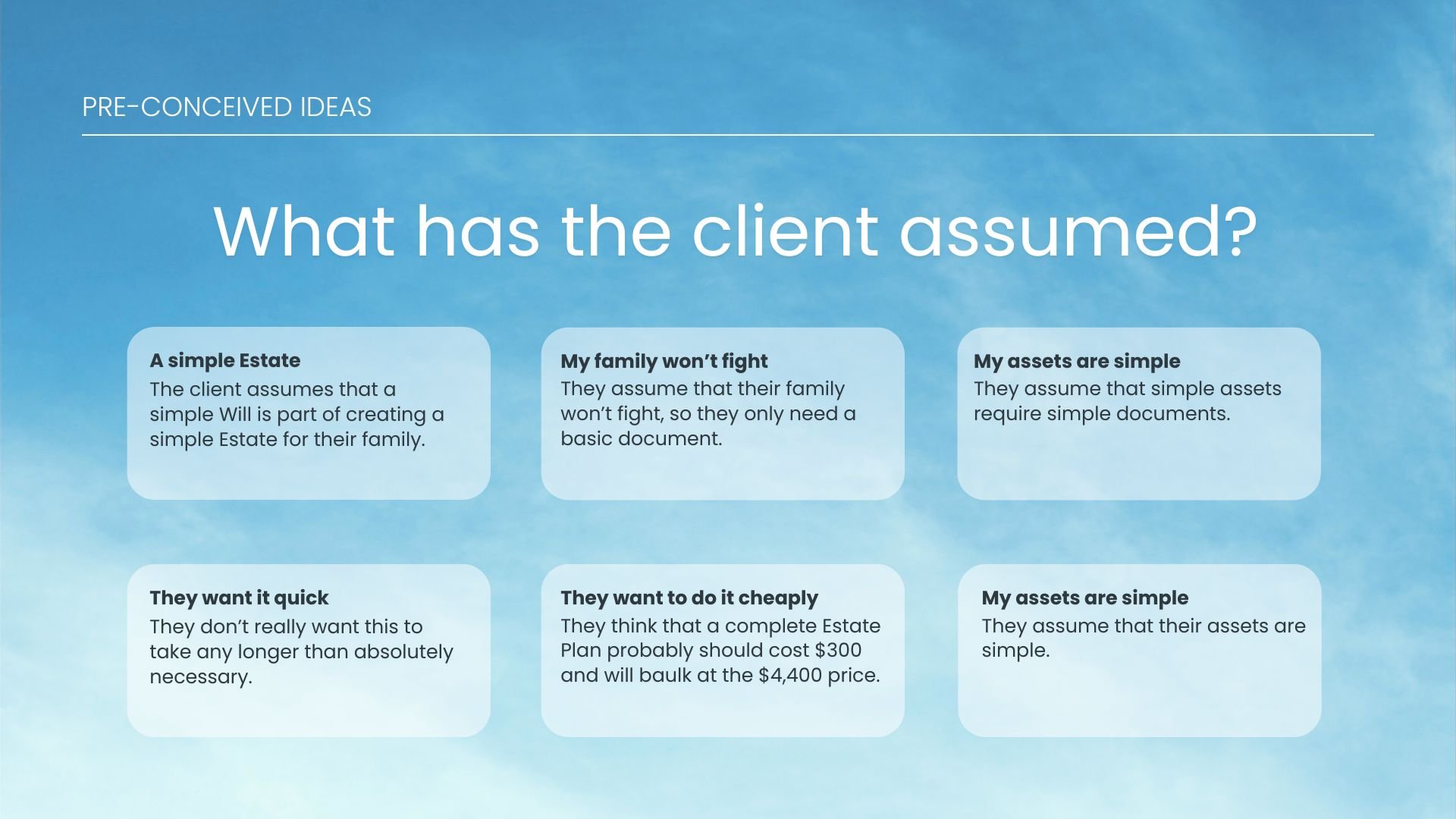
I don’t believe that the answer is to be negative with the clients. My example slides do not respond to the client by telling them that their family will fight, or that DIY Wills are rubbish. I also don’t talk about “you get what you pay for”. I talk about how a simple, short document will not achieve their goal. Their goal is to make their death as easy as possible for their family, and to make the administration of their Estate as easy as possible. The way to achieve that is to leave a comprehensive Estate Plan, not a two page document.
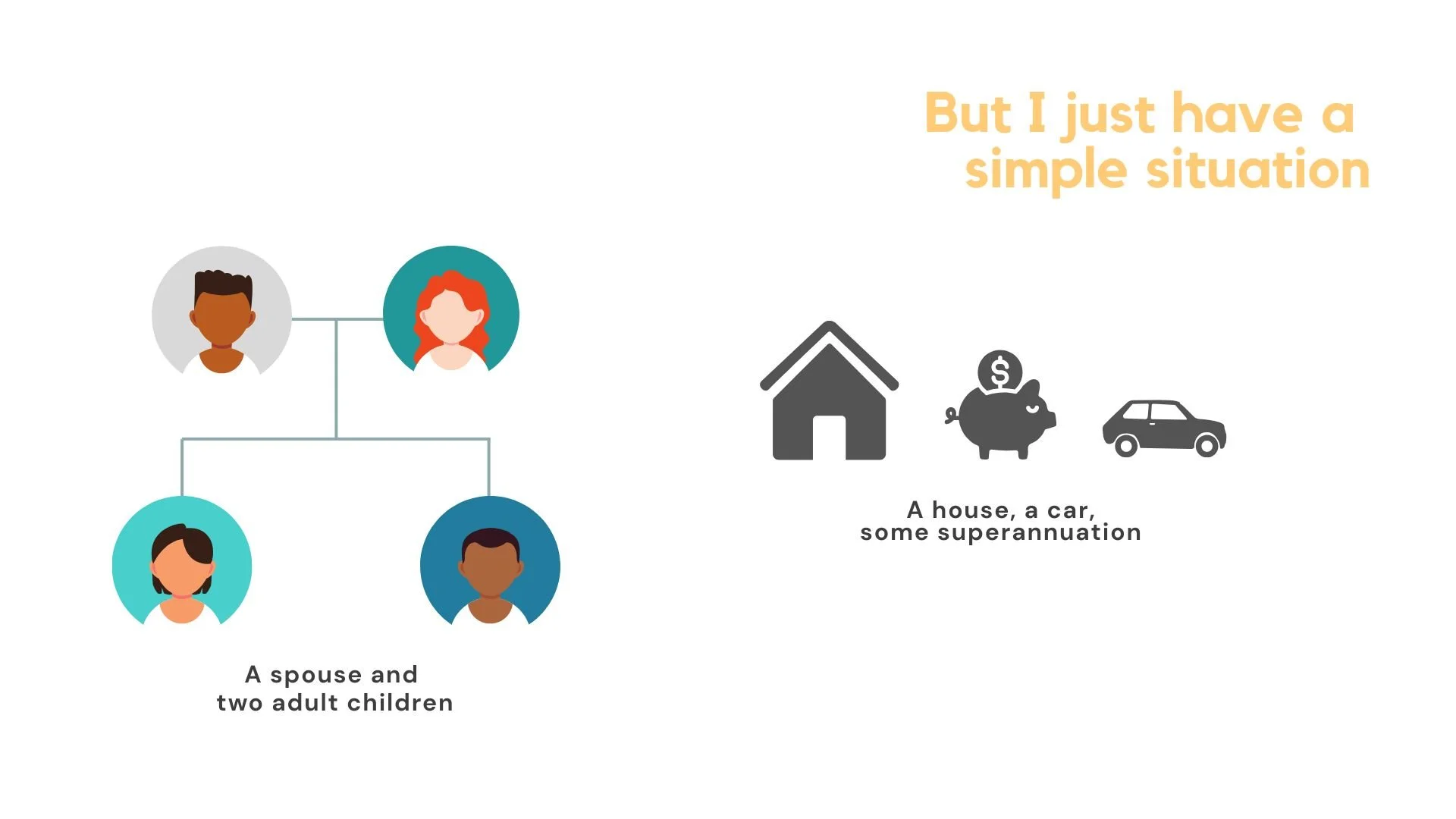
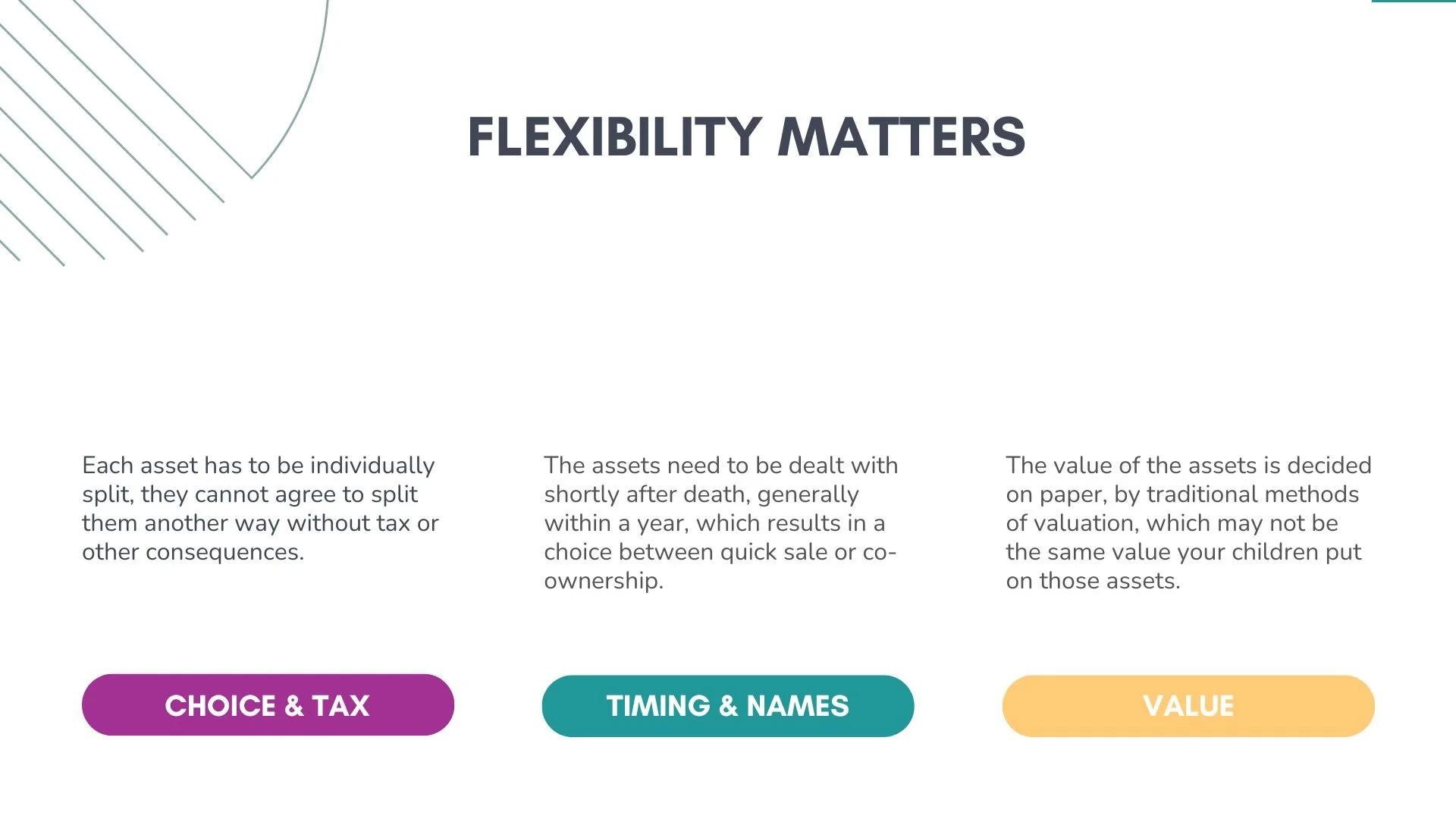
Additionally for any clients who are Gen X or younger we can no longer get away with saying trust me, it’s complicated but I am an expert. The clients want to know why. They want to know how this will help their family. In the Webinar I talk through how to use these slides to show a client that a short document that says leave everything to everyone equally may not work for their family. Many of these slides can be used for a normal Estate Plan, or to respond to questions about why the Will is five pages instead of two pages long. This is not exclusively a Webinar for DTTs, it is about helping clients to understand that short documents don’t make their Estates easier for their families. Some of the examples could be dealt with using an appropriation clause instead of a trust, and that is the point. You are giving the client the information that they need to make an informed choice.

If you would like to get the slides, and the recording of the Webinar, then click on the button below. It costs $90 to get the recording and the precedents.